
How do porta potties work?
The basic unit is a plastic shell with a non-flushing bowl set over a holding tank. Waste and toilet paper drop straight into that tank, where the blue chemical (a mix of dye, fragrance and bacteria-slowing agents) keeps things from turning foul fast. There's no plumbing hookup and no water line, which is why you'll see these dropped anywhere in Scottsdale, from a backyard remodel to a race staging area 16.6 miles southeast in Fountain Hills. A standard porta potty rental stands about 92 inches tall and covers roughly 44 by 48 inches of ground, small enough for tight lots. Service crews come on a route, pump the tank with a vacuum hose, rinse, and restock paper. ANSI/PSAI Z4.3 sets the baseline service interval at once a week for up to 10 users across a 40 hour week, which is why job sites with more workers need more units or extra visits. For anyone estimating headcount, the how many porta potties do I need guide walks through the math, and OSHA 1926.51(c) sets the actual ratio: one toilet for 20 or fewer construction workers, scaling up from there.
How does a portable sink work?
A portable sink rental runs on a self-contained fresh water tank, usually gravity-fed or foot-pump operated, with a gray water tank underneath to catch runoff. No hose bib needed. Soap and paper towel dispensers mount on the unit, which matters because 29 CFR 1910.141(d)(2) requires soap and towels or a hand-drying device at washing facilities; hand sanitizer alone doesn't meet that. These pair naturally with handwashing station rental setups on construction sites and food events around Scottsdale. If crews are applying paint, coatings, herbicides or insecticides, OSHA 1926.51(f)(1) requires washing facilities for that specific exposure, not just general cleanup. A hand sanitizer station rental is a fine add-on but it isn't a substitute where that rule applies. Site supervisors juggling both should check handwashing requirements before finalizing a layout, especially on jobs with multiple trades rotating through.
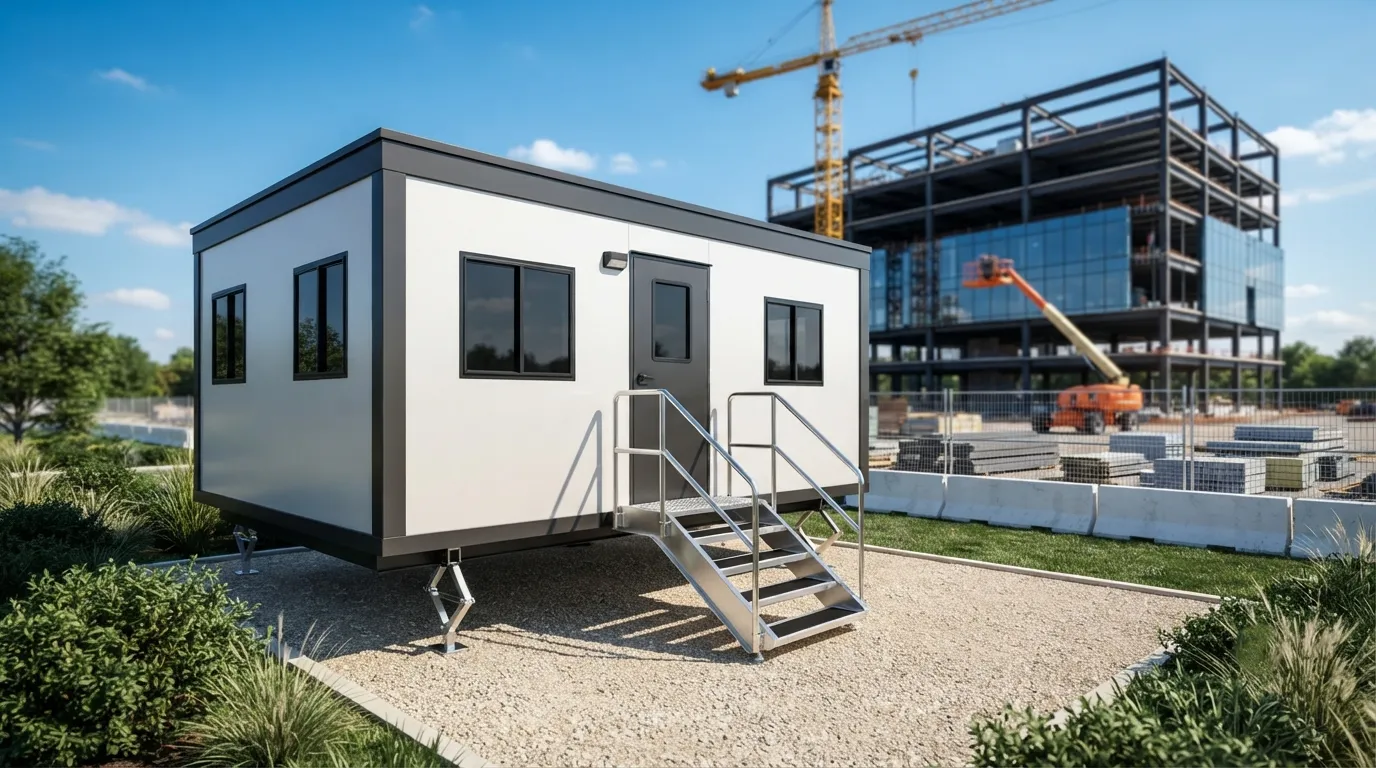
How do flushable porta potties work?
A deluxe flushable porta potty uses a small fresh water reservoir and a foot pump or hand lever to push a rinse of water through the bowl after each use, dropping waste into a separate holding tank below. It feels closer to a household toilet, and many have a sink built into the unit. These run from the day rate up through a full week, and they show up often at weddings and upscale events where guests expect something better than a bare-bones unit. An ADA accessible porta potty sometimes comes in this flushable configuration too, built wider inside to meet ADA Standards 304.3.1, which calls for a 60 inch turning circle, and ADA Standards 404.2.3, which sets a 32 inch minimum door width. ADA Standards 213.2 also requires that at least 5 percent of a cluster of single-user units be accessible, never fewer than one. For weekend events in Scottsdale, Scottsdale Porta Pros treats accessible units as part of the standard planning conversation, not an afterthought tacked on later.
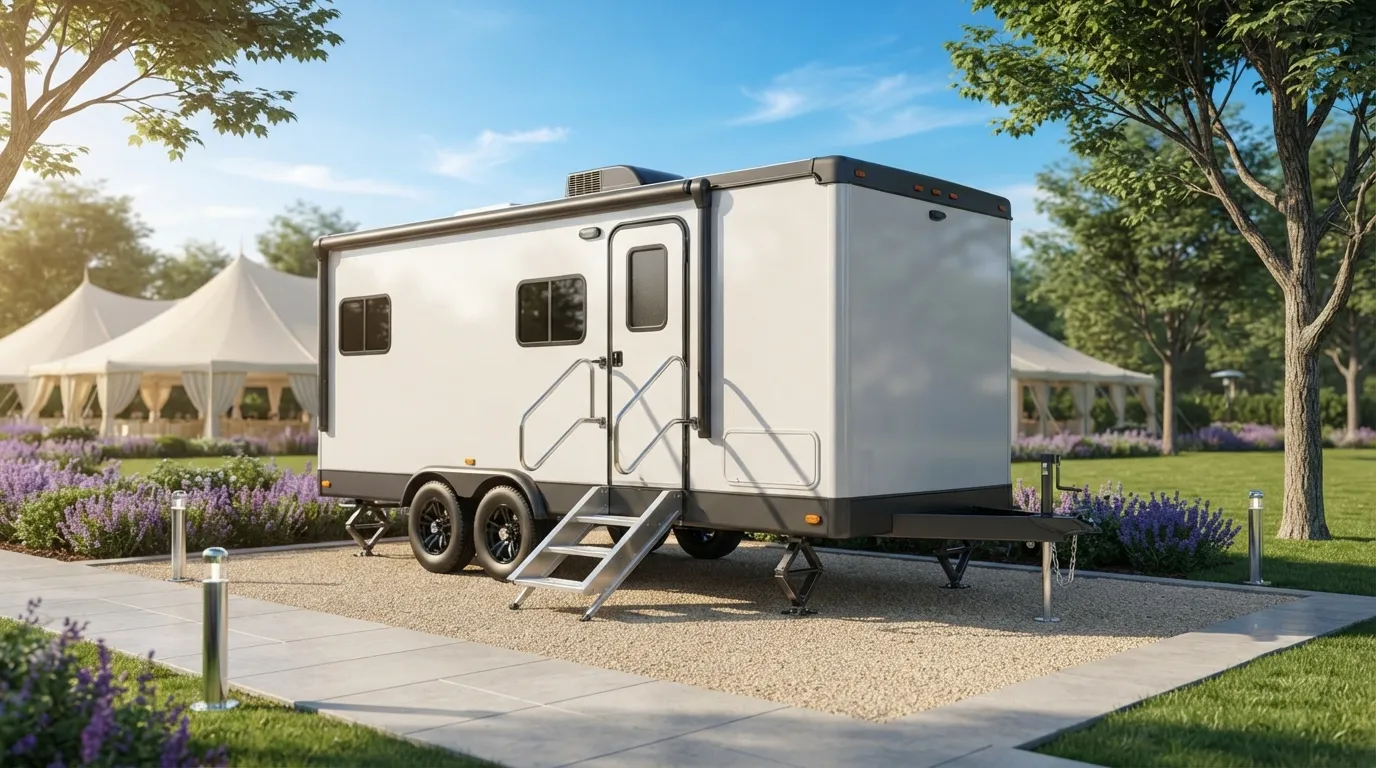
Do camping porta potties work differently?
Not really; the mechanism is the same sealed tank and chemical setup, just built into a smaller footprint for towability or trunk storage. A camping porta potty at a dispersed site works the same way a job site unit does: waste plus chemical plus time, then a service visit to pump and refresh. The difference is access. Crews near Rio Verde, 20.2 miles east, or out past Cave Creek, 18.8 miles northwest, sometimes deal with longer drive times between stops, which affects how often a route truck can realistically service a unit. That's worth asking about before booking anything remote. For septic-connected properties instead of portable units, a residential tank typically needs pumping every 3 to 5 years depending on tank size and household size, a different maintenance rhythm covered on the septic pumping service and how often to pump a septic tank pages.
| Unit type | Day | Week | Month |
|---|---|---|---|
| Standard | $100-$350 | $130-$500 | $125-$325 |
| ADA | $200-$400 | $240 and up | - |
| Deluxe | $85-$1200 | $150-$290 | - |
Prices above reflect market bands for Scottsdale-area rentals; see porta potty rental cost and porta potty rental per day for more detail on what drives the spread. Longer jobs often make sense as monthly porta potty rental instead of repeated short bookings.
What chemical goes in a porta potty?
It's a blue deodorizing fluid, a mix of dye, fragrance and bacteria-slowing agents that keeps solids from breaking down into odor too fast between service visits. Scottsdale Porta Pros restocks this chemical every scheduled pump-out, following the roughly weekly interval that ANSI/PSAI Z4.3 treats as standard for typical usage loads.
Why do construction workers need porta potties on site?
OSHA 1926.51(c) requires toilet facilities scaled to crew size: one unit for 20 or fewer workers, then additional seats as headcount rises. A construction worker running to a porta potty shouldn't be walking a long distance to find one; placement close to the work zone matters. See OSHA portable toilet requirements for the full ratio table.
How often are porta potties cleaned?
Most rentals get serviced weekly under the ANSI/PSAI Z4.3 baseline, though high-traffic events or large crews often need two or more visits a week. Details on scheduling and what a service visit actually involves are covered on how often are porta potties cleaned.
Do porta potties smell bad?
Not when serviced on schedule. The blue chemical controls odor between pump-outs, and regular servicing keeps tanks from filling past capacity. Placement matters too, away from direct sun and entryways. The do porta potties smell page covers what actually causes odor complaints.
Are portable toilets required to be ADA accessible?
At least one accessible unit is required when portable toilets are clustered together, per ADA Standards 213.2, which sets a 5 percent minimum. These units meet wider clearance standards, including a 60 inch turning circle under ADA Standards 304.3.1. Check ADA restroom requirements for event and job site planning.
Next step
Get a delivery date
Tell us the address, the dates and the headcount. We size the order and confirm the route.